
ACTIVE RELEASE TECHNIQUE
Whether you’re an athlete, manual laborer, or specialist in a given field, there are some jobs or positions which call for repeated motion of certain body parts. These instances can lead to what is known as overuse injuries, which can cause long-term pain and can keep you from working or performing at the highest level.
Luckily there is a solution that can help in many of these cases called Active Release Technique. Our team at FIX Medical Group uses ART for many patients, and in most instances, there is immediate relief felt after just one session and noticeable improvement in just a few sessions.
SERVING THE GREATER MARICOPA COUNTY AREA
SCOTTSDALE, NORTH SCOTTSDALE, PHOENIX, PARADISE VALLEY, ARCADIA, AZ
DURATION
Included with Follow up treatment
NEED APPOINTMENT?
Yes
PRICE
Included with Follow up treatment
LEAVE A MESSAGE
What is the active release technique?
When you use a body part over and over again, there is a better chance of injury. Whether it’s a baseball or softball pitcher throwing or a line worker swinging a sledgehammer, tears can develop in tissues over time. As these soft tissue injuries heal they can form scar tissue.
Because people in these roles often have small injuries in multiple places, scar tissues from nearby tears can sometimes grow together. This is called adhesion, and it can be very painful because these fused-together scar tissues can pull against one another. The active release technique is administered by a professional who can locate these adhesions and use their expertise to perform a hands-on treatment to release these adhesions, usually resulting in immediate relief for the patient.
When would I need the active release technique?
Our team can typically identify when a patient is a good candidate for ART through a consultation. We are active listeners and use a person’s feedback and goals to craft a unique plan to help them recover as soon as possible, and for people who have frequent pain as a result of repetitive motion or overuse of a body part, the active release technique is typically a viable solution.
What happens during an active release technique session?
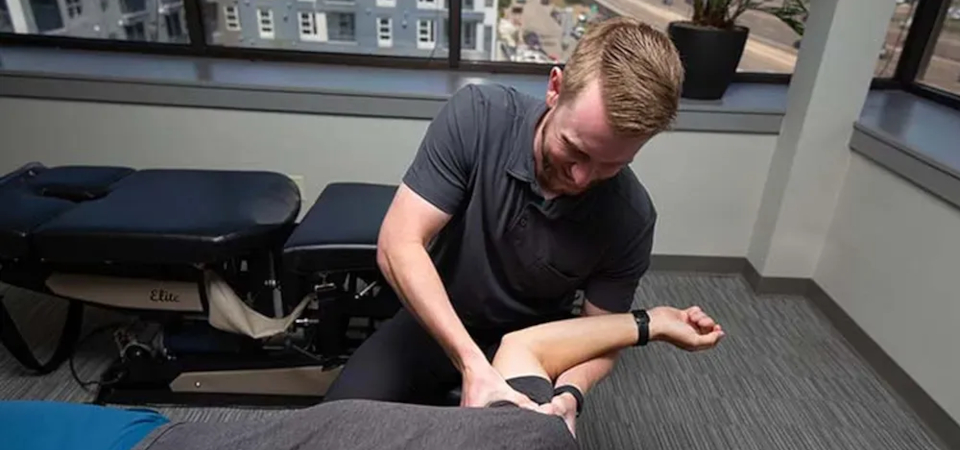
The active release technique is administered in a hands-on manner by a trained professional. The first step is to identify where adhesions might have occurred, which is done by examining the affected areas through touch, feel, and communication of pain levels.
The technique itself involves the use of movement by the patient and pressure from the care provider together in a wide range of patterns, intensities, and durations. Our team members who specialize in ART are some of the best in the area, and they know how to work effectively to release the adhesions and relieve pain through these sessions.
How many active release technique sessions will I need?
For people who are suffering from adhesions, the active release technique is an effective and fast-working method of treatment. Many clients feel relief immediately after the first session, and most of them have complete relief after about five sessions.
If you have further questions about the active release technique, or you’re ready to come in to determine if it’s right for you, please give us a call or use our online booking option to get your appointment scheduled today.
