SERVING THE GREATER SAN DIEGO COUNTY AREA
SAN DIEGO: MISSION VALLEY, & RANCHO BERNARDO, CA
Click BOOK NOW below to schedule
a complimentary 20-minute phone consultation.
DURATION
20 Minutes
NEED APPOINTMENT?
Yes
PRICE
FREE
LEAVE A MESSAGE
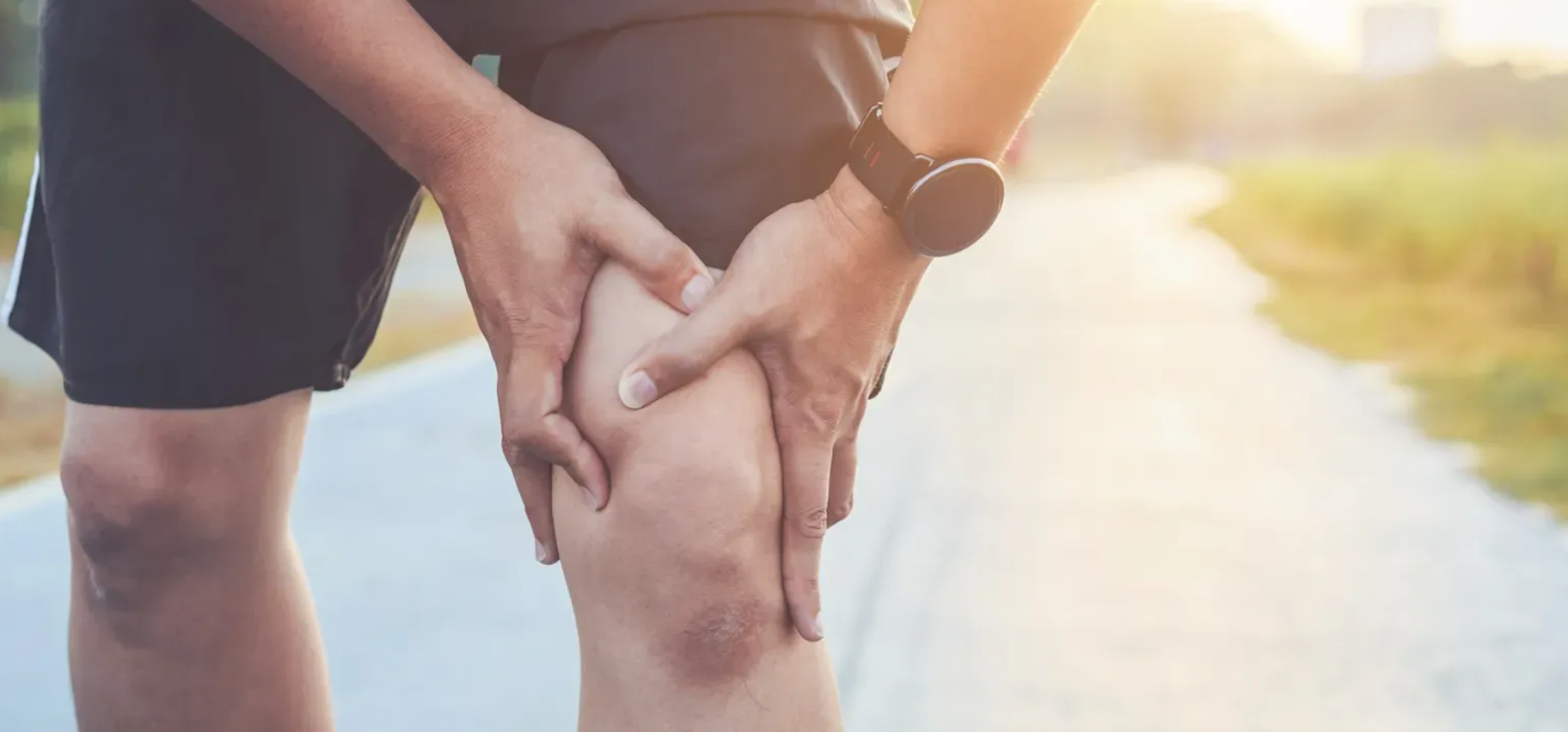
Why is knee pain so pervasive?
While your knees are the largest joints in your body, they’re also among the most easily injured, which makes sense given the amount of stress they’re under in terms of support and mobility. If you are experiencing ongoing discomfort, a knee pain clinic can help identify the underlying cause and provide effective treatment options. To better understand what types of injuries or conditions can cause knee pain, it’s helpful to understand the joint’s structure and how it functions. With the right approach, joint pain relief in San Diego specialists can help improve mobility and reduce pain.
Your knee is an incredibly complex joint made up of:
- Three bones: your tibia, femur, and patella
- Cartilage promotes movement in the joint
- Tendons that connect your muscles to your bones
- Ligaments that keep the bone structure together
- Menisci, wedge-shaped pieces of cartilage that act as shock absorbers between your bones
While each of these components plays a critical role in the function of your knees, each is also susceptible to injury or disease that can lead to knee pain.
What are the causes of knee pain?
The most common causes of knee pain are:
Injury
When you push your knees to the limit, injury can occur, including:
- Sprains/strains
- Ligament tears
- Kneecap dislocation or fractures
- Meniscus tears
Sports injuries are a common cause of knee injuries.
Wear and tear
As with any joint in your body, everyday wear and tear can take its toll, weakening the structures inside your knee, which often leads to inflammation. This inflammation, which accompanies conditions like tendonitis or bursitis, often results in knee pain.
Joint disease
Degenerative arthritis or inflammatory arthritis are common conditions that cause knee pain.
What are the treatments for knee pain?
After the source of your knee pain is uncovered, FIX Medical Group works to alleviate your discomfort and restore function through advanced, non-surgical knee pain treatment in San Diego using the following state-of-the-art treatments:
- Platelet-rich plasma (PRP) therapy
- Cupping
- ARPwave®
- K-Laser®
- Ozone therapy
- Massage therapy
- Sports therapy
- Active release technique (ART®)
Each case of knee pain is different, so the team tailors a treatment plan that best addresses your condition and your goals. More often than not, the team also recommends at-home care to help with your knee pain, including:
- At-home exercises
- Weight loss recommendations, if applicable
- Activity restrictions to rest your knee
- Hot and cold therapies
If knee pain is interfering with your ability to move about, call the knee specialists at FIX Medical Group or use the online booking tool to schedule a consultation for effective knee pain treatments near me.
Frequently Asked Questions About Knee Pain
When Should You See a Doctor for Knee Pain?
You should schedule an evaluation if your knee pain lasts more than a few days, continues getting worse, limits your ability to walk, causes swelling or instability, or develops after an injury. Seeking treatment early may help prevent minor problems from progressing into more serious conditions.
At FIX Medical Group in San Diego, we evaluate the underlying cause of knee pain before recommending personalized non-surgical treatment options whenever appropriate.
Can Knee Pain Heal Without Surgery?
Many causes of knee pain can improve without surgery. Depending on your diagnosis, treatment may include physical therapy, sports medicine, chiropractic care, rehabilitation exercises, regenerative medicine, activity modification, or other conservative therapies.
The best treatment depends on the source of your pain, your activity level, and your long-term goals.
What Are the Signs That Knee Pain Is Getting Worse?
Warning signs include:
- Persistent or increasing swelling
- Difficulty bending or straightening the knee
- Knee instability or buckling
- Inability to bear weight
- Pain that interferes with daily activities
- Locking or catching sensations
- Pain that continues despite rest
If you experience any of these symptoms, it’s important to schedule a professional evaluation.
How Long Does It Take to Recover from Knee Pain Treatment?
Recovery varies depending on the diagnosis, severity of the injury, your overall health, and the treatment plan. Mild conditions may improve within a few weeks, while more significant injuries or chronic conditions can require several months of rehabilitation.
Your provider will monitor your progress and adjust treatment as you recover.
Can Physical Therapy Help with Chronic Knee Pain?
Yes. Physical therapy can strengthen the muscles that support the knee, improve flexibility, restore proper movement patterns, and reduce stress on the joint. Many patients experience less pain and better mobility through a personalized rehabilitation program.
What Is the Best Treatment for Arthritis-Related Knee Pain?
There is no one-size-fits-all treatment for knee arthritis. Depending on your symptoms and lifestyle, treatment may include exercise therapy, physical therapy, chiropractic care, regenerative medicine, weight management, lifestyle modifications, or other non-surgical options recommended by your provider.
The goal is to reduce pain, improve mobility, and help you remain active.
Can Knee Pain Be Prevented with Exercise and Strength Training?
Yes. Maintaining strong leg muscles, improving flexibility, staying at a healthy weight, using proper movement mechanics, and warming up before physical activity can significantly reduce the risk of many knee injuries and chronic knee problems.
Are Non-Surgical Knee Pain Treatments Effective?
Many patients experience meaningful improvement with non-surgical treatment. Conservative care focuses on reducing pain, restoring movement, improving strength, and addressing the underlying cause of knee dysfunction before surgery becomes necessary.
What Exercises Should You Avoid with Knee Pain?
Depending on your condition, activities such as repetitive jumping, deep squats, running on hard surfaces, or high-impact exercises may aggravate knee pain. Your provider can recommend safer exercise modifications that allow you to stay active while protecting your knee.
How Does Age Affect Knee Pain and Treatment Options?
As we age, natural changes in cartilage, muscles, ligaments, and joint tissues may increase the risk of arthritis and other knee conditions. However, age alone does not determine your treatment options. Your provider will consider your overall health, activity level, imaging findings, and personal goals when developing your care plan.
What causes knee pain without an injury?
Knee pain isn’t always caused by trauma. Arthritis, tendonitis, bursitis, cartilage wear, muscle imbalances, overuse injuries, and poor movement mechanics are all common causes of knee pain that can develop gradually over time.
Can I still exercise with knee pain?
In many cases, yes. Staying active with appropriate low-impact exercises may actually support recovery. Your provider can recommend activities that protect your knee while helping maintain strength and mobility.
Why choose FIX Medical Group for knee pain treatment in San Diego?
FIX Medical Group offers comprehensive, non-surgical knee pain treatment using an integrated approach that may include sports medicine, chiropractic care, rehabilitation, regenerative medicine, and personalized exercise programs. Every treatment plan is tailored to your diagnosis and lifestyle goals.